{
“title”: “The Solar-Powered Narrative: How Energy Shifts Shape Modern Literature”,
“meta_description”: “Explore how the transition to renewable energy is fundamentally reshaping literary themes, environmental aesthetics, and the operational logic of storytelling.”,
“tags”: [“Renewable Energy”, “Literature and Environment”, “Solarpunk”, “Climate Fiction”, “Strategic Storytelling”, “Cultural Shifts”],
“categories”: [“Culture, Indie and Trends”, “Science”],
“body”: “
The Decarbonization of the Creative Imagination
Industrialization defined the aesthetic of the 20th-century novel. Coal-choked cities, the rhythmic pulse of steam-driven machinery, and the grit of internal combustion provided the backdrop for existential anxiety and human ambition. Today, that structural foundation is eroding. As renewable energy replaces finite, carbon-dense power sources, the physical reality of our world is changing—and with it, the symbolic vocabulary of our literature.
For the modern leader or strategist, observing this transition is essential. It represents a fundamental shift in how we conceive of resources, scarcity, and survival. Literature acts as the cultural ledger for these changes, capturing how our relationship with the grid dictates our morality and our strategy for future growth.
From Extraction to Integration
Classic literature often utilized the fossil fuel paradigm as a metaphor for power. Coal represented the hidden, subterranean force—dark, dense, and violent to extract. Renewable energy, by contrast, is pervasive. It is sunlight, wind, and kinetic motion. This shift forces a change in narrative structure: authors are moving away from stories of hoarding and depletion toward stories of stewardship and capture.
This transition mirrors the move toward operational excellence in modern enterprises. Just as a firm must pivot from capital-heavy, resource-intensive growth to lean, sustainable systems, contemporary literature is beginning to value the efficiency of the decentralized narrative. We are witnessing the rise of ‘Solarpunk,’ a subgenre that replaces the bleak, resource-starved landscapes of cyberpunk with visions of high-tech, solar-integrated societies. It is a shift in mindset from dystopian collapse to sustainable design.
The Psychology of Abundance
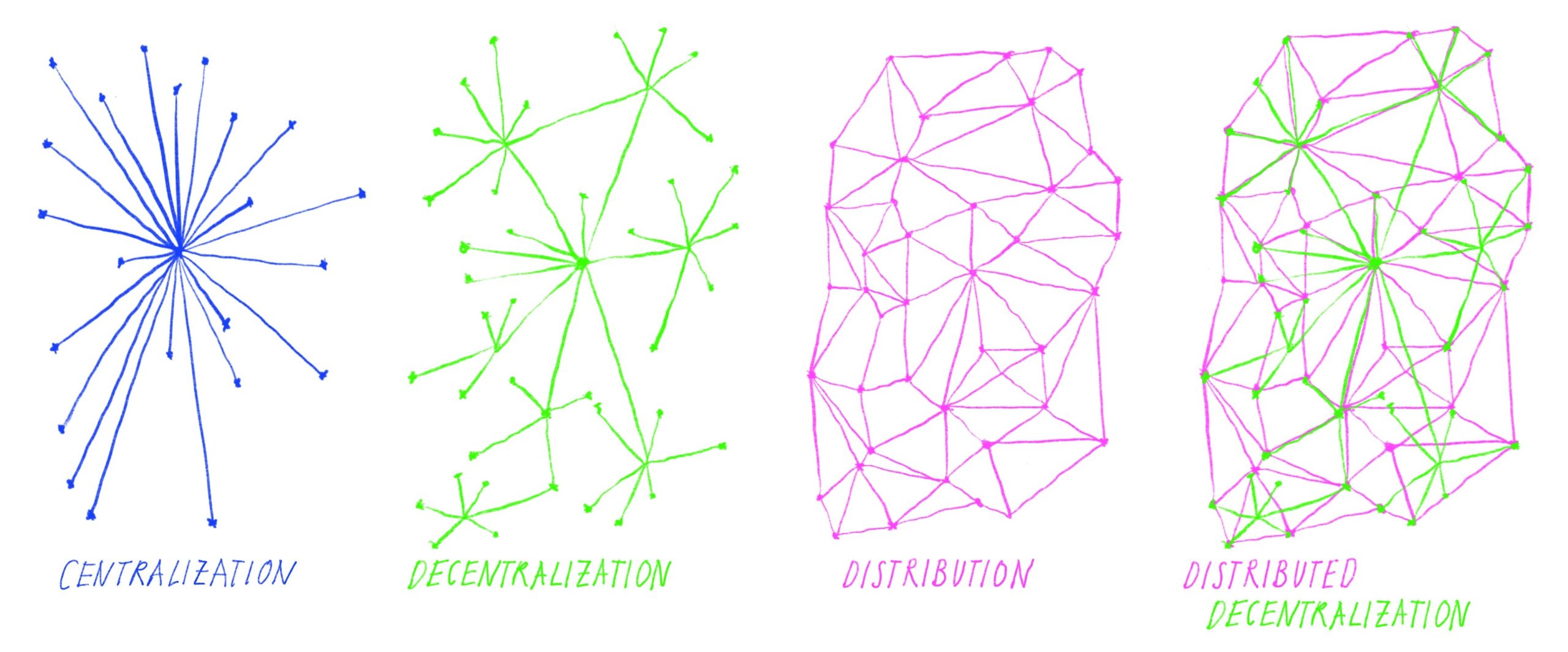
The transition to renewables inherently shifts the human psychology of scarcity. When power is centralized and finite, the narrative is driven by conflict over territory and control—the classic Zero-Sum Game. When energy is viewed as an ambient resource, the conflict shifts toward the management of distribution and the mastery of technology. This is not mere environmentalism; it is a change in the foundational mindset of the protagonists we choose to follow.
Operational success in a renewable-driven world requires a high degree of systems thinking. Literary characters are increasingly reflecting this necessity, becoming architects of their environments rather than victims of their circumstances. They no longer fight over the ‘oil well’; they collaborate on the ‘microgrid.’ This is a move toward a modern leadership style that emphasizes connectivity and resilience over domination.
The Digital and The Kinetic
Modern narratives are now inextricably linked with the infrastructure that sustains them. As AI and automation require vast amounts of localized, clean energy to function, writers are grappling with the reality of energy autonomy. The ‘data center’ has replaced the ‘factory’ as the heartbeat of the story. Authors are exploring the tension between the ephemeral nature of digital existence and the physical, sun-drenched infrastructures required to keep the lights on.
For those tracking high-performance thinking, this offers a unique insight: literature is becoming more technical. The best stories of our time are no longer just about personal drama; they are about the optimization of energy, the management of output, and the integration of complex technological systems into the daily lived experience.
To explore more about how the intersection of technology and culture impacts our future, visit The BossMind Platform for deeper analysis on the evolution of modern enterprise and thought leadership.